Blue Ammonia Production
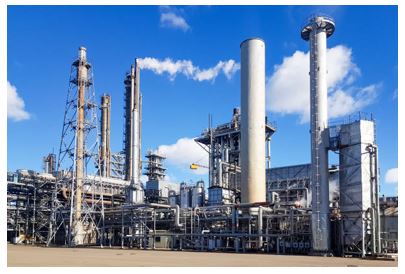
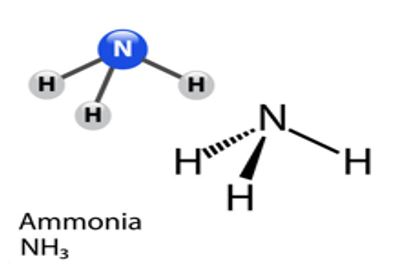
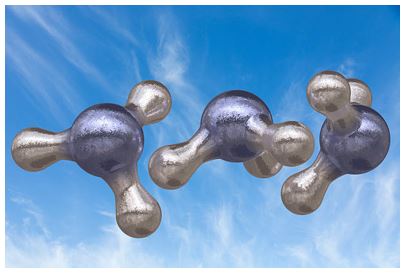
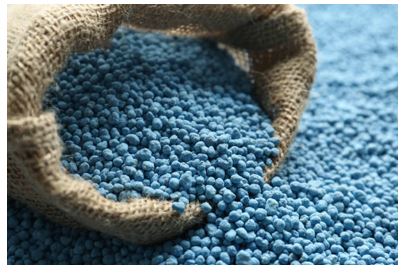
Allied’s innovative process produces Ammonia from nitrogen, with “blue” hydrogen extracted from natural gas feedstocks. The carbon dioxide by-product is captured and used in Methanol production, eliminating the emissions problem. Downstream Blue Ammonia can be used as a carbon-neutral fuel across many industries, including transportation and power generation completing our vision.
Our Values are Our Future
What We Build On
Our core values are the foundation of our Company, and our values are our guide to realizing our vision. They apply to all of Allied Methanol’s business and community interactions.

the products
Our Methanol and Blue Ammonia Project is our response to the growing market demands and social desire to reduce reliance on fossil fuels with cleaner alternatives. In short, the Project is a solution to the problem. By employing the strategy of sustainable competitive advantage, Allied Methanol aims to produce high-quality Methanol & Blue Ammonia products in Western Australia and deliver them to the world.
Allied Methanol’s Project is the first facility in Australia that utilizes an integrated methanol and ammonia process. The integrated approach uses purge gas created by Methanol to produce Ammonia – reducing waste and generating value.
About Methanol
Methanol is an essential ingredient to produce hundreds of everyday industrial and consumer items. It is also a clean-burning, cost-competitive alternative fuel.

What is Methanol?
Methanol is an essential chemical building block for countless products that enhance our quality of life. For more than 100 years, methanol has been safely shipped, handled, and used in various worldwide applications.
Methanol Production
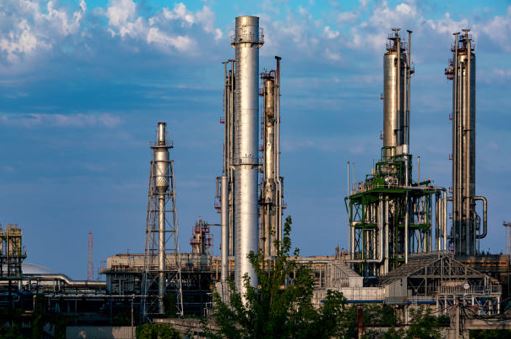
Allied’s Methanol Production Facility is a signature project in Western Australia. Methanol is an essential chemical building block for countless products that enhance our quality of life. For more than 100 years, methanol has been safely shipped, handled, and used in various worldwide applications.
Blue Ammonia Production
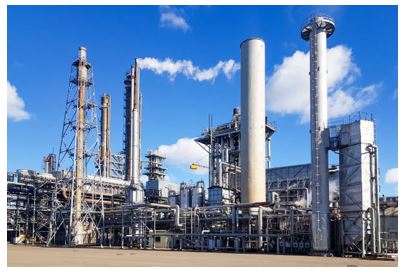
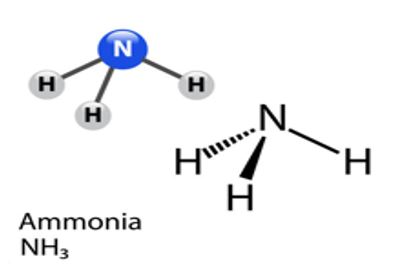
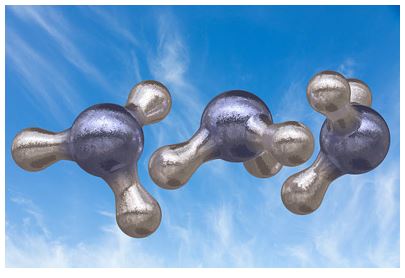
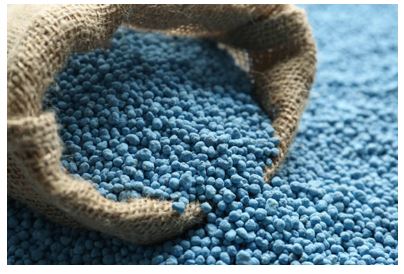
Allied’s Blue Ammonia Production Facility is a signature project in Western Australia. Blue ammonia is made from nitrogen and “blue” hydrogen derived from natural gas feedstocks, with the carbon dioxide by-product from hydrogen production captured and stored. Ammonia can be used as a low-carbon fuel across many industrial applications, including transportation, power generation, and industries including steel, cement, and fertilizer production.
About Blue Ammonia
Blue ammonia is made from nitrogen and “blue” hydrogen derived from natural gas feedstocks, with the carbon dioxide by-product from hydrogen production captured and stored. Ammonia can be used as a no-carbon or carbon-neutral fuel across many industrial applications, including transportation, power generation, and industries including steel, cement, and fertilizer production.
Blue Ammonia has the key qualities of a low carbon economy fuel – higher energy density than hydrogen and zero carbon and sulfur-free emissions when combusted.
The ammonia storage and transport infrastructure are well developed globally with significant international trade. Ammonia’s shipping routes are well established, and there is a comprehensive network of ports globally able to handle ammonia shipments at a large scale as a marine fuel.
Benefits of the Project in Western Australia.
Allied Methanol will assess the contribution of labor market policy to boosting quality employment and enhancing productivity by better matching skills supply to demand, improving training provision and addressing skills gaps, and improving skills utilization for our Project. There are numerous benefits of the signature Methanol and Blue Ammonia Co-Production Facility (the “Project”) in Western Australia, including but not limited to the following:
-
The Project will benefit calls for energy diversification in Western Australia to increase energy security against the volatility of conventional fossil fuels.
-
The Project is expected to stimulate economic growth from the devastation of the COVID-19 restrictions and preserve the natural environment.
-
The Project will provide employment opportunities for many people within WA during both construction and operation phases, including those employed directly and contractors providing goods and services.
-
Universities/institutions to be contacted for graduates to get ready for work during the construction and commercial operation period.
-
The Project will also create local awareness about locally producing Methanol and Blue Ammonia in Western Australia.
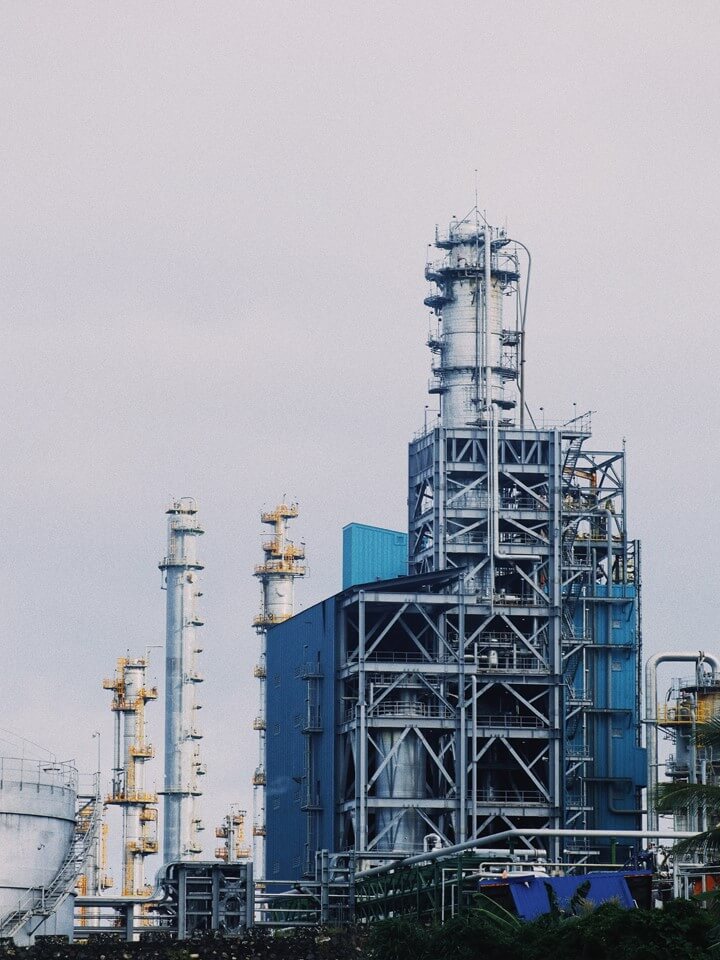
METHANOL IN ENERGY & TRANSPORT A Product with Growing Relevance Across Fuel and Mobility Pathways
Methanol’s physical form and industrial familiarity contribute to its energy-related relevance.
Methanol’s role in energy and transport is gaining attention because it combines industrial familiarity with practical handling characteristics. As a liquid product, it offers advantages in storage, transport, and integration into systems where ease of movement and infrastructure compatibility matter.
Its relevance spans areas such as transport fuels, marine applications, and selected industrial energy uses. For project developers and market participants, this broadening role enhances methanol’s strategic profile and supports its position as a product with continuing industrial and commercial significance.
Methanol is used as a chemical feedstock
Methanol is used to produce many chemicals, with formaldehyde and acetic acid being the most prominent chemical derivatives. These derivatives are further converted into a wide range of products, including fibers, paints, resins, adhesives, insulation, and dyes. Methanol use for these traditional chemical derivatives is growing slowly to moderate. However, another chemical derivative application – cracking Methanol to produce olefins such as ethylene and propylene – is rapidly increasing due to its widespread adoption in China. Economic growth in China has accelerated the demand for plastics that are produced from olefins. However, China lacks traditional olefin feedstocks such as naphtha or natural gas liquids but has plenty of coal. Therefore, relied on the latter to produce Methanol via syngas made through gasification.
Methanol in fuels
Methanol can be used as a fuel for transportation with some modification engines. Several countries are using Methanol as an automotive fuel, including China. Another transportation segment is marine vessels, where Methanol could be a cost-effective and environment-friendly fuel to comply with new international environmental regulations as prescribed by the International Maritime Organizations (IMO) in 2020. In addition, Methanol can be converted to ethers such as methyl tertiary butyl ether (MTBE) and dimethyl ether (DME).
Although the U.S. had mandated and later banned the use of MTBE as a fuel additive, its use as an octane enhancing gasoline additive has continued in several countries. A minor application is DME as a fuel-to-power engine that runs on diesel. Finally, Methanol is also used to produce biodiesel, typically blended with diesel in several regions, including the U.S. and Europe.
Other Applications of Methanol
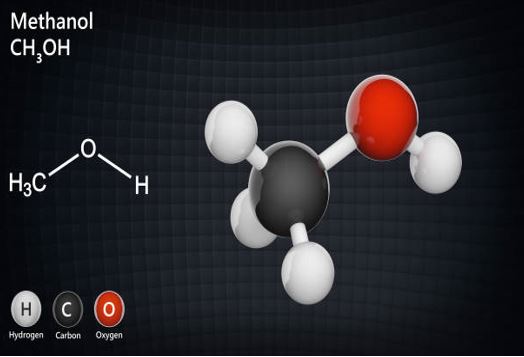
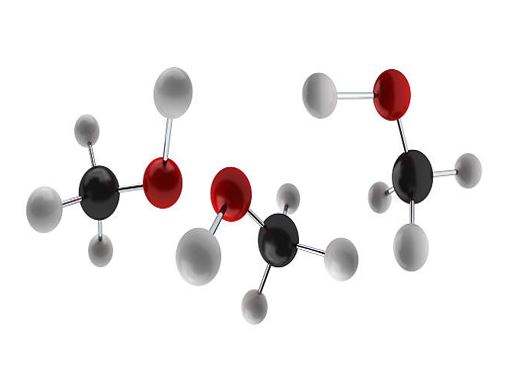
Methanol can be produced from natural gas, coal, and renewable sources such as municipal waste, biomass, and recycled carbon dioxide. Methanol – CH3OH – is four parts hydrogen, one part oxygen, and one part carbon.
Methanol is predominantly produced from natural gas on an industrial scale by reforming the gas with steam and then converting and distilling the resulting synthesized gas mixture to create pure methanol. The result is a clear, liquid, organic chemical that is water-soluble and readily biodegradable.
Methanol is also used in a number of fragmented applications that individually do not consume large volumes but collectively account for approximately 10% of total demand. These include municipal and private wastewater treatment facilities that use Methanol to facilitate nitrogen removal from effluent streams.
Methanol and its many uses
The following figure shows the many applications of Methanol.

SUSTAINABILITY
Sustainability is represented at every level of our governance structure, from the Board of Directors and the Sustainability Committee to the managers and staff of our organization. Altogether, all our staff members are involved in the implementation of our sustainability and governance roadmap.
ALLIED METHANOL has a bold ambition to produce Methanol and Blue Methanol in Western Australia. We aim to achieve this ambition without impacting the environment either in a good or bad way. Keeping the global impact and environment into consideration, we identify, invest, and develop environmentally, economically, and socially sustainable energy projects to sustain our long-term energy requirements and future expansions.
We are Allied Methanol Group and We excel at what we do.
Our Environment & Carbon Emission Commitments
Allied Methanol is committed to environmental excellence, from groundbreaking projects to research and activities in local communities. Allied Methanol and its employees are protecting the environment at all levels.
We are working towards zero-emission related to our operations and products and implementing innovative solutions that expand our portfolio to meet the demands of our customers for affordable, reliable, and clean supplies of energy and products.
As we work towards zero emission, our collective challenge is to create solutions that protect the environment without undermining the growth of the global economy. Allied Methanol participates in global sustainable and industry-led projects to reduce the long-term risk of CO2 capture from emissions sources.
Introducing
The Project
The Project will be the first Allied Methanol & Blue Ammonia Integrated Production Facilities in Western Australia.
We aim to make something beneficial to help solve a problem that hasn’t been solved. The best-planned strategies are worthless if they can’t be translated from concept to reality. Even the best strategy can fail if an organization doesn’t have a team of leaders with the right capabilities at the correct levels of the organization.
Our world economy faces unprecedented challenges from different sectors like soaring population growth, resource constraints, solid economic challenges, a warming climate, and other environmental challenges. The strategic direction articulated in our vision and mission is our response to the challenges of delivering against our business strategy: Sustainable competitive advantage – to produce high-quality Methanol & Blue Ammonia products in Western Australia to the world.
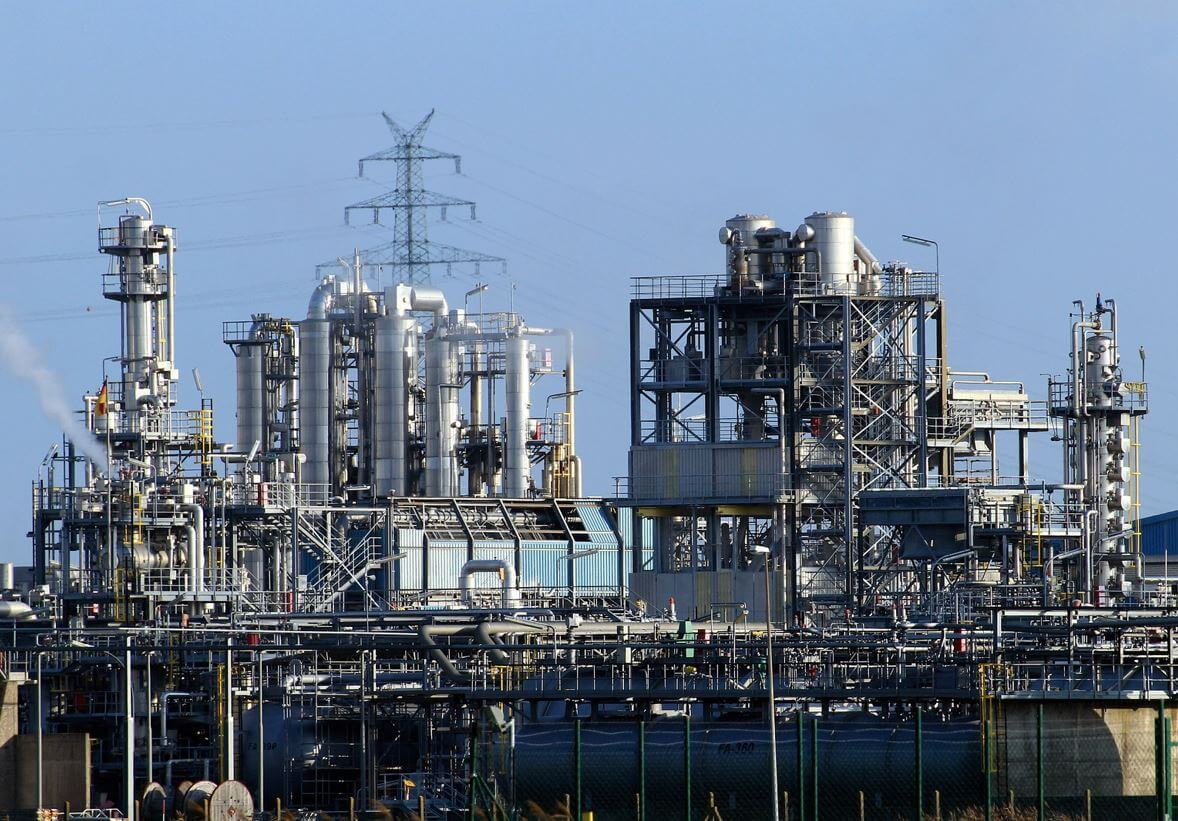
World-Class Project Adopted To Our Community
ALLIED METHANOL Group aims to produce the highest quality Methanol and Blue Ammonia in Western Australia. The Project comprises the design, development, financing, construction, ownership, and operation of Methanol & Blue Ammonia integrated Production Facilities (the “Project”) with a commercial quantity processing capacity.
Our Sustainability Strategy
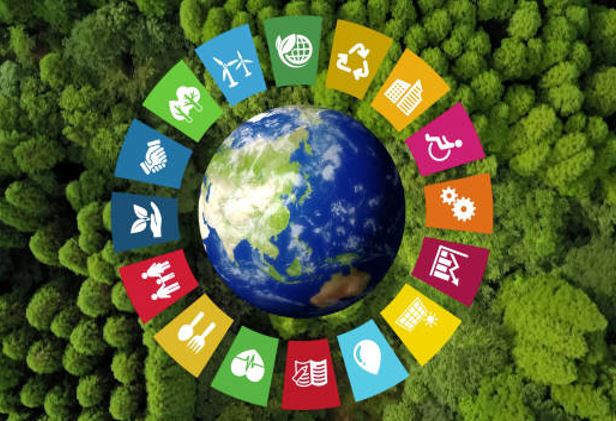
Our strategy for a sustainable world is embedded through our Sustainability Master Plan. The Allied Methanol Group integrates sustainability into our strategy and operations, anchored on the United Nations Sustainable Development Goals. We cooperate and support a sustainable business model that pursues social progress, environmental balance, and economic growth, to improve the lives of humanity today and in future generations.



Clean Energy Solution For A Better Planet.
Our Sustainability Goal
Sustainable development is the pathway we want for all. We are fully committed to creating, innovating, and accelerating sustainable solutions to the most urgent issues such as global warming and carbon reduction. Our project development strategies align with realizing our worthy ideals progressively in developing sustainable projects in Western Australia. We aim to achieve this ambition without impacting the environment either in a good or bad way.
Sustainable Development
Our sustainability objectives are anchored with the United Nations Sustainable Development Goals. We are aware of our responsibility to balance our impacts on the environment and society as we continue to seek opportunities for growth.
People & the Environment
Our limited natural resources and the evolving nature of society and human capital mandate us to integrate both sustainability and shared value creation into the core of our sustainability strategies. We aspire to do this by teaching accountability, transparency, and responsibility to our employees, who form the solid foundations of our company.
Our Approach
"AT ALLIED METHANOL, CLEAN, GREEN, AND SUSTAINABILITY ARE ONE AND THE SAME."
We are anchored on our Strategic Leaders’ conviction that sustainability will always be at the heart of our organization’s strategy. Our approach is anchored to the United Nations development goals. We are committed to taking positive steps through economically viable investments, technically appropriate operations; environmentally sound practices; and socially responsible actions. We aim to develop more sustainable and accountable clean energy products in Australia as it is environmentally friendly and reduce carbon footprints.