
METHANOL & MARINE FUEL Methanol as a Practical Marine Fuel for a Changing Shipping Industry
A liquid fuel pathway with growing relevance for cleaner shipping and operational flexibility.
Methanol is gaining importance in marine fuel discussions because it combines practical handling with growing relevance in a lower-emissions shipping environment. For Allied Methanol, it is more than a fuel application. It is part of a broader industrial and energy platform aligned with real-world market demand.
OVERVIEW Why Methanol Matters in Marine Fuel

Marine fuel markets are changing. Shipowners, operators, ports, and fuel suppliers are under increasing pressure to respond to tighter emissions expectations, evolving fuel strategies, and the need for practical transition pathways.
In that context, methanol is gaining attention as a marine fuel option because it is already a globally traded liquid product with established industrial familiarity. Its relevance is not based on novelty alone, but on the combination of handling practicality, transportability, and compatibility with the growing search for cleaner and more adaptable marine fuel solutions.
For Allied Methanol, this matters because marine fuel is one of the clearest examples of methanol’s broader commercial utility. It shows how the product can connect industrial production with real-world demand across international transport and logistics systems.
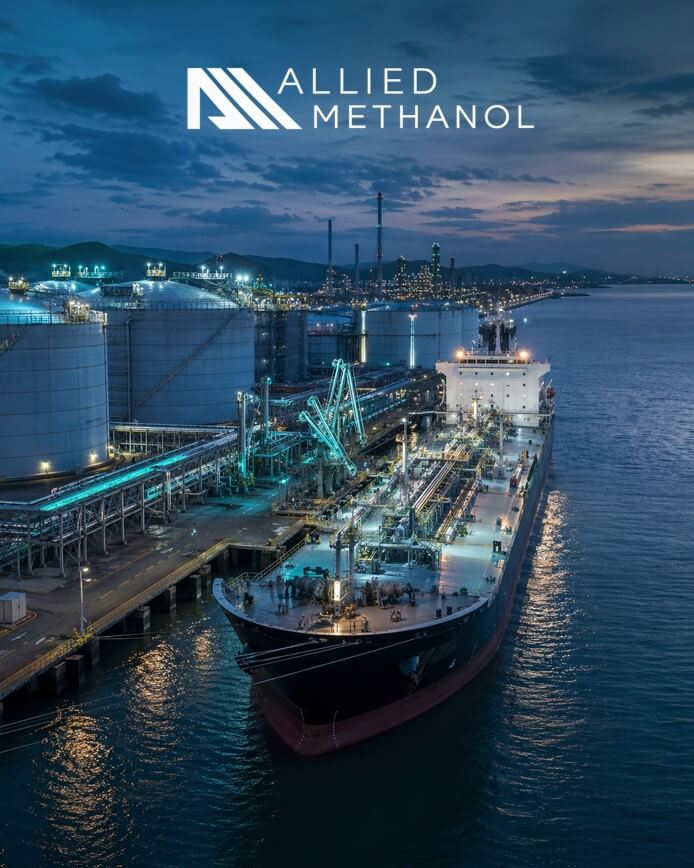
STRATEGIC RELEVANCE A Fuel Pathway Grounded in Practicality
Methanol’s relevance in shipping is strengthened by characteristics that matter in real operating environments.
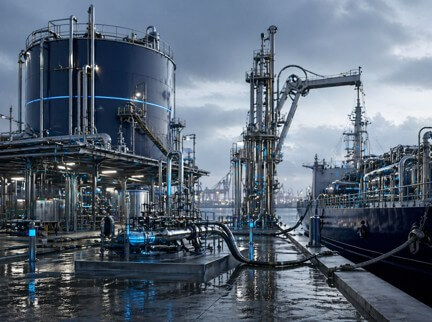
Liquid Product Advantage
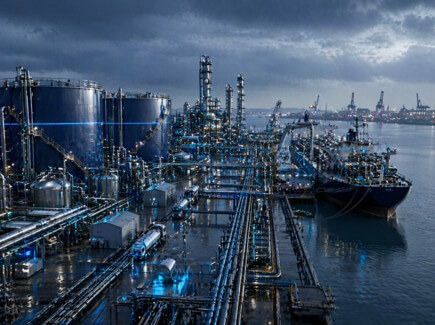
As a liquid product, methanol benefits from handling and transport characteristics that are already familiar across global industrial and energy systems. That practical form supports its relevance in applications where storage, movement, and bunkering logistics matter.
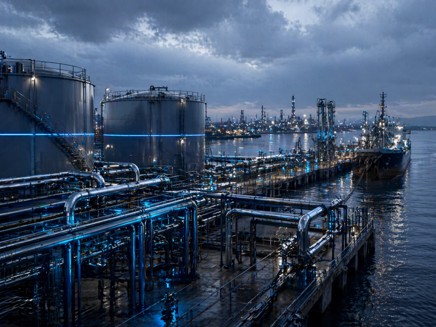
Infrastructure Familiarity
Methanol is not an unfamiliar product entering the market without context. Its established industrial presence supports stronger commercial logic in sectors seeking fuel pathways that are easier to understand, manage, and integrate.
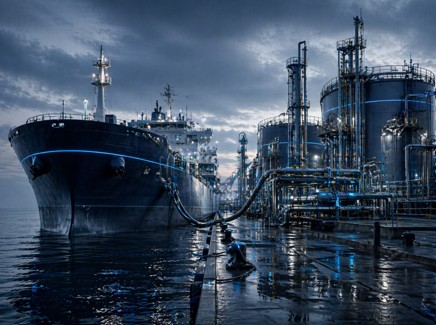
Growing Shipping Relevance
As shipping looks for pathways to respond to changing regulatory and commercial pressures, methanol is increasingly being evaluated as a realistic fuel option within the wider marine transition landscape.
Long-Term Commercial Logic
Methanol’s role in marine fuel is important not only because of current interest, but because it reflects broader market logic: products with multiple uses and adaptable demand pathways tend to retain stronger long-term relevance.
MARKET CONTEXT Marine Fuel Demand Is Becoming More Strategic
The future of marine fuel is not defined by one single pathway. It is increasingly shaped by how well a fuel can respond to operational realities, infrastructure constraints, emissions expectations, and long-term commercial practicality.
That is where methanol becomes increasingly relevant. It sits at the intersection of industrial familiarity and energy transition relevance. It is already known within industrial markets, yet it also has growing application in sectors that are rethinking fuel choice and supply-chain alignment.
For shipping, that creates a more strategic proposition. Methanol is not simply discussed as a theoretical alternative. It is being considered within a broader conversation about fuel flexibility, supply resilience, vessel strategy, and the practical requirements of moving global trade in a lower-emissions direction.
For Allied Methanol, marine fuel relevance reinforces the broader case for methanol itself. It supports the view that methanol is not a niche product, but one that can serve multiple market pathways with meaningful long-term commercial significance.
STRATEGIC PRODUCT RELEVANCE Why Marine Fuel Supports the Methanol Investment Story
Strategic products are not defined by trend alone, but by utility, adaptability, and market logic.
Marine fuel matters because it expands the strategic case for methanol beyond conventional product definitions. It positions methanol in a global transport market where fuel choice is increasingly tied to compliance, commercial resilience, and long-term strategy.
- Connects methanol to global shipping demand
- Strengthens the product’s energy-related relevance
- Supports participation in export-oriented value chains
- Reinforces long-term commercial and industrial utility
- Aligns product logic with practical market application
Liquid Product Advantage | Fuel Pathway Relevance | Transportable at Scale
REGIONAL ADVANTAGE Positioned Within a Strong Export and Industrial Context
Methanol’s role in marine fuel becomes more compelling when paired with the right industrial setting. Western Australia offers a strong strategic context through its industrial capability, coastal access, export orientation, and proximity to regional trade routes.
Within that setting, methanol can be understood not only as a chemical product, but as part of a broader industrial and logistics platform connected to domestic, regional, and international demand pathways.
For Allied Methanol, this regional context strengthens the marine fuel narrative. It links product relevance with location advantage, helping support a more coherent and commercially credible development story.
PROJECT CONTEXT Part of a Broader Integrated Industrial Platform
At Allied Methanol, marine fuel is not presented as a stand-alone narrative detached from the project’s wider strategy. It sits within a broader industrial platform in which methanol is positioned as a core product with multiple pathways to relevance.
That integrated framing matters. It supports stronger alignment between product strategy, industrial infrastructure, market positioning, and long-term development logic. Rather than relying on a single-use story, the project highlights methanol as a product with diverse applications across industrial, energy, and transport sectors.
Marine fuel is therefore one important part of the broader value proposition. It helps demonstrate why methanol remains commercially meaningful in a world where industrial utility, adaptability, and market relevance matter more than ever.
CLEAR ANSWERS. STRONGER CONTEXT. Frequently Asked Questions
Understanding Methanol’s Relevance in Marine Fuel
Explore the key questions behind methanol’s growing relevance in shipping, including its practical fuel logic, infrastructure familiarity, export relevance, and role within Allied Methanol’s broader integrated platform.
Is methanol already relevant to shipping?
Yes. Methanol is increasingly part of marine fuel discussions because it combines the practicality of a liquid fuel with its growing relevance in cleaner shipping pathways.
Why is methanol attractive as a marine fuel pathway?
Its appeal comes from practical handling, industrial familiarity, and relevance in an evolving emissions and fuel-strategy environment.
How does marine fuel relevance support Allied Methanol’s positioning?
It strengthens the case for methanol as a commercially versatile product connected to real transport and export-oriented demand pathways.
Why does location matter?
A strong industrial and coastal setting improves the logic of the marine fuel narrative by linking production with logistics, export access, and broader market participation.
Is marine fuel the only reason methanol matters?
No. Marine fuel is one of several strategic demand pathways that reinforce methanol’s broader industrial and commercial relevance.
DISCOVER MORE A Marine Fuel Story Backed by Industrial Logic
Methanol’s role in shipping reinforces its wider relevance as a practical, transportable, and commercially meaningful product within an integrated industrial platform.